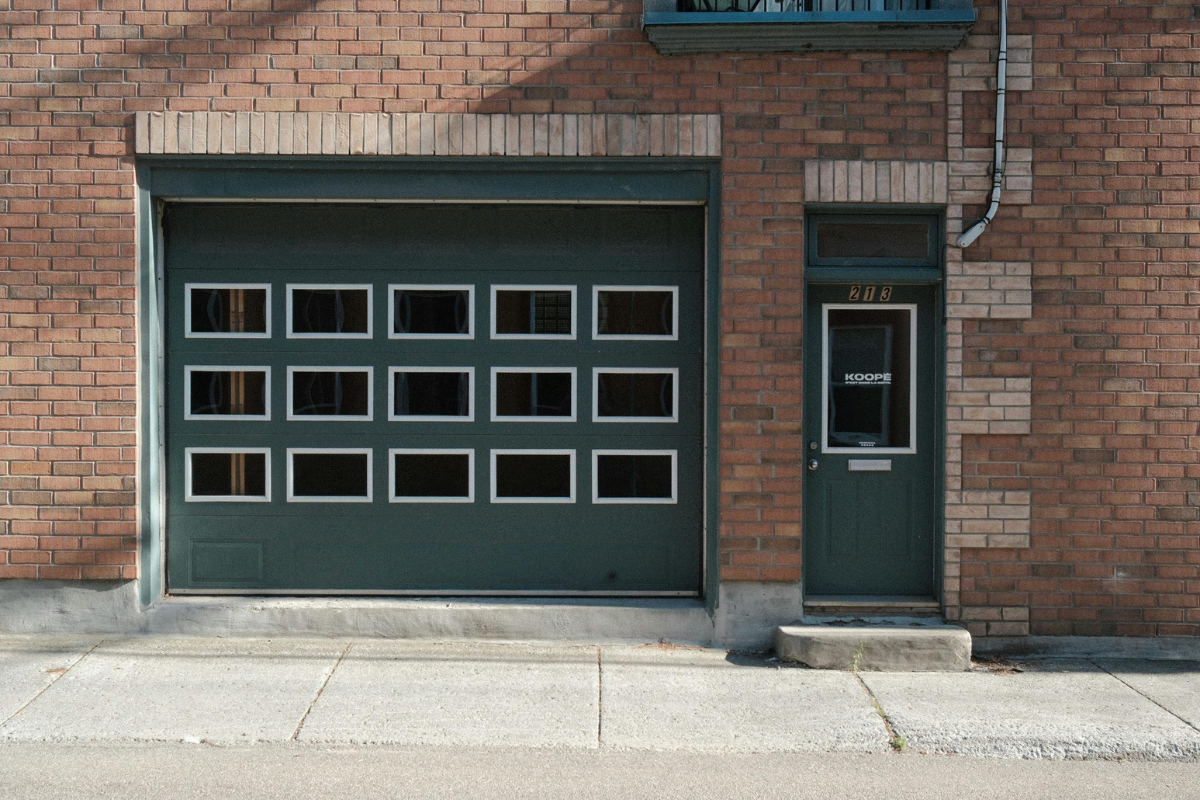
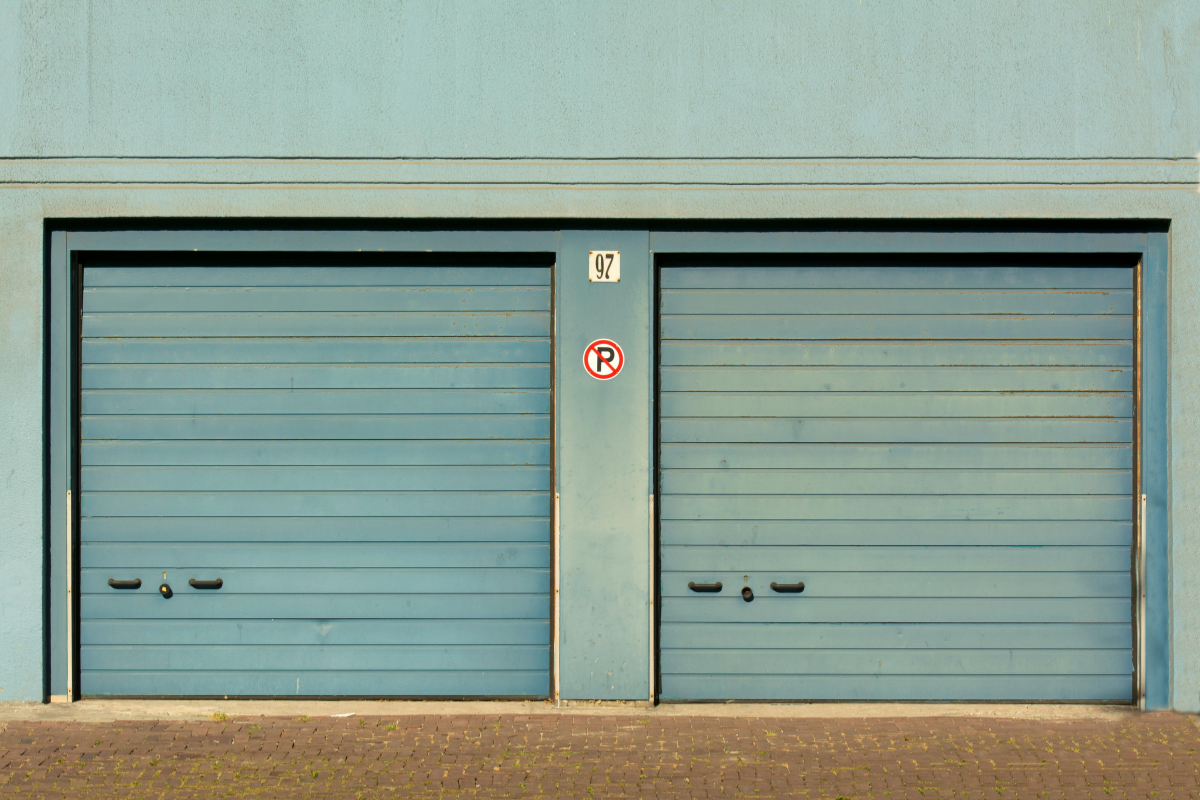
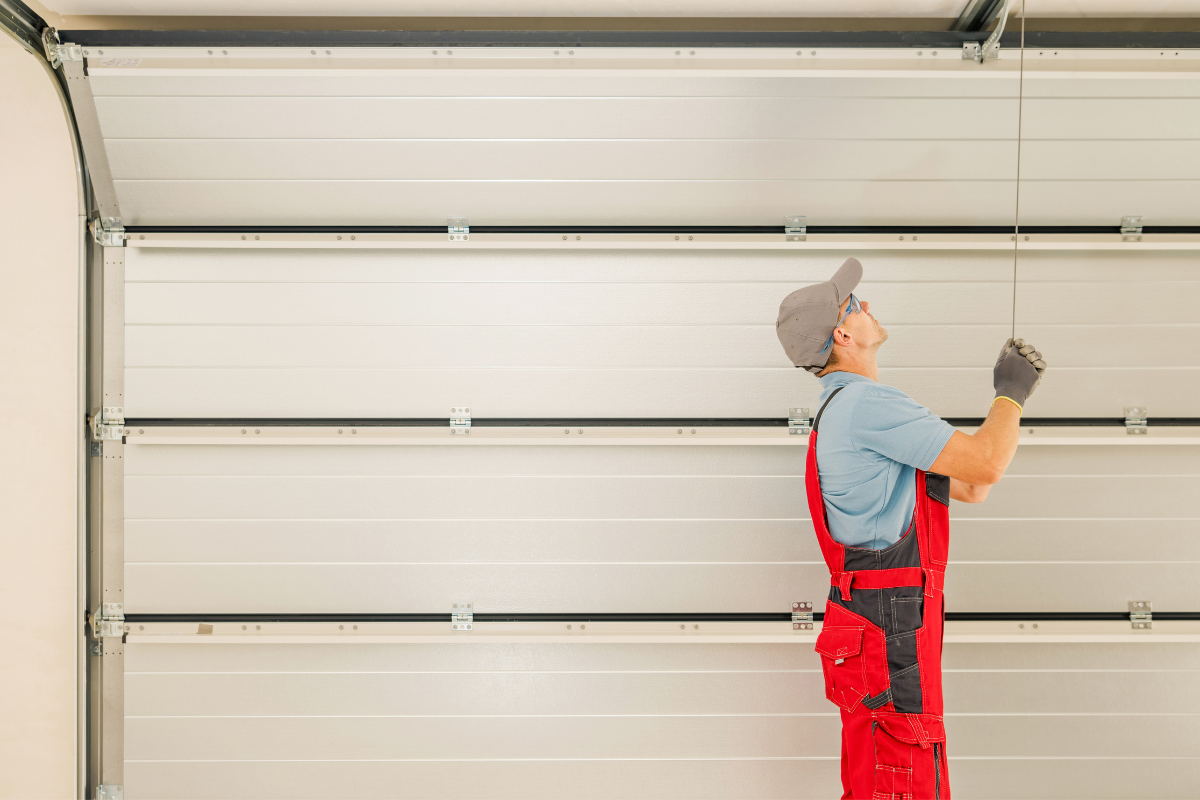
A garage door has a simple job on paper. It opens, it closes, it keeps what’s inside safe. In Los Angeles, it also meets the street every day as part of your home’s face. It shoulders salt air in coastal neighborhoods, dry heat in the Valley, and the occasional Santa Ana wind that finds any weak point. If you’ve ever watched a flimsy door rattle through a hot afternoon or listened to rollers howl against a chewed track, you know how quickly poor fit or generic parts turn into an everyday annoyance. Custom garage door installation in Los Angeles doesn’t mean overkill for the sake of it. It means choosing a system calibrated to your climate, your architecture, and the way your household actually moves.
I’ve spent years working with homeowners from Mar Vista to Highland Park, and I keep seeing the same pattern. Off-the-shelf doors can look fine for a year or two, then the compromises start showing. Clearances were tight from the beginning. The opener was undersized. The panels weren’t insulated for where they were installed. That’s when you end up calling a garage door company Los Angeles neighbors recommend for a rescue, not just a cosmetic uplift. A real custom install solves those hidden issues before they become repair tickets.
What “custom” really means in Los Angeles
Customization isn’t about engraving your initials on a panel. It’s a sequence of practical decisions made in the right order. You start with the opening itself. Los Angeles homes include mid-century boxes with low headroom, Spanish bungalows with arched masonry, and newer builds that push width and height to fit SUVs and storage racks. I’ve measured plenty of 7-foot openings that were really 6 feet 10 inches at one corner because the slab heaved, or because the framing has settled since the 1960s. You get a square, plumb, true reference first. If you ignore that, no amount of trim will hide a crooked sightline, and no opener will keep a misaligned door running quietly.
From there, you choose a door type that fits both structure and lifestyle. Sectional overhead doors dominate here because they work with most garages and give you plenty of design and insulation choices. Side-hinged carriage doors can be beautiful on a Spanish or Craftsman facade, though they need clear swing and careful weatherproofing in coastal zones. Roll-up steel doors belong in service alleys and commercial settings, yet I’ve installed them behind architectural facades when space is tight and people need the ceiling clear for storage or lifts. The “custom” is often about adapting the mechanism to headroom and side room, and then building the look around it.
Climate and microclimate matter
Los Angeles is not one climate. The briny air in Playa del Rey is not the same as the dry heat in Woodland Hills, and canyon homes see wind gusts you won’t catch on a flat lot. Salt air eats cheap hardware. Inland heat bakes thin panels until they oil-can. Santa Ana winds can tug on large doors like a sail. Choosing materials and hardware for the microclimate rewards you with a door that stays smooth and quiet.
For coastal addresses, stainless or zinc-plated torsion hardware and nylon-coated cables are worth the extra cost. I’ve replaced rusted extension springs in less than three years by the beach, while good torsion springs and sealed bearings hold up for much longer if you start with the right spec. Inland, insulation is the hero. A polyurethane core with a 9 to 18 R-value can keep a garage 10 to 20 degrees cooler on a summer afternoon, which matters if your garage doubles as a workshop or gym. In the hills or wind corridors, I specify wind-rated struts and sometimes a heavier gauge panel. The lift force should be balanced so the opener isn’t doing the heavy lifting by itself. Opener strain is what shortens motor life.
Matching architecture without copying the neighbors
Los Angeles neighborhoods carry strong visual languages. A 1920s Spanish Revival might call for a vertical plank face with decorative clavos, and a real-wood finish looks right at home. A 1955 ranch house wants clean horizontal lines in a muted color and no fake windows that look like stickers. Contemporary builds around Culver City or Silver Lake often lean on flush steel or aluminum-and-glass doors, sometimes with frosted lites for privacy that still pull in daylight.
True customization respects proportions. I’ve seen glitzy aluminum-and-glass doors that looked like storefronts jammed into a 7-foot opening, and they felt wrong because the stile-to-rail proportions were designed for taller openings. When we order custom, we can adjust the glass lites to suit a lower header, or choose narrower stiles so you don’t lose half the visual area to framing. Color also matters. Factory finishes have come a long way. Powder-coated aluminum can match RAL hues closely, and steel doors can be factory-painted or clad with composite overlays that mimic wood grain without the maintenance headache.
There’s a temptation to chase trend. One year every other install was a black frame with frosted glass. Now, more homeowners are asking for warm neutral tones and subtle texture instead of high-contrast looks. The test I use is simple: stand in the street, take in the roofline, windows, and entry door, then pick a garage door design that looks like it came from the same team. The garage door is usually the largest moving element on the front of the house. It sets the tone, not just follows it.
Quiet operation is a choice, not a gamble
If you have a bedroom over the garage, you already know the pain of a loud opener or a door that jerks against the tracks. Noise comes from five places: unbalanced springs, cheap rollers, poorly aligned tracks, an underpowered or dated opener, and the house structure itself acting like a drum.
Balance first. A properly balanced door can be lifted by hand with two fingers. If it slams shut or wants to rocket up, the springs aren’t doing their job. Nylon rollers with sealed bearings make a surprising difference in tone. I prefer 13-ball nylon rollers for most residential installs. Tracks should be plumb and oriented so the door rides without rubbing. That sounds obvious, yet I’ve tuned dozens of track sets that were just off enough to scrape during the last foot of travel. And openers: belt drives are quieter than chain drives, and DC motors with soft start and stop keep the door from thumping at each end.
If the structure transmits vibration into bedrooms, anti-vibration isolators between the opener and the ceiling can help. Wall-mount jackshaft openers remove the overhead rail entirely and pair well with high-lift setups, which are common in LA when people want a car lift or extra storage. A jackshaft also frees the ceiling for lighting and ducting, which matters in tight garages.
Insulation, fire, and air quality
In a city where a garage is rarely just a car shelter, insulation pays dividends. A polyurethane-insulated steel door can drop noise from the street and keep the temperature more stable. If your garage connects directly to living space, a weather-sealed, insulated door reduces drafts at the interior door. For homes in hillside areas with wildfire considerations, look for materials with good fire performance and avoid open louvers or gaps that can invite embers. Aluminum-and-glass doors should use tempered safety glass as a baseline and laminated glass if you want an extra layer of security and noise control.
Ventilation deserves a plan. People convert portions of garages into workout corners or hobby spaces. If you use solvents, paint, or fuel-powered equipment, a tight garage door paired with a small exhaust fan avoids stale air without sacrificing security. Insulation does not mean air-tight by default, but those perimeter seals are more effective when installed square and trimmed to compress evenly.
The economics of a custom install
Homeowners often ask whether the additional cost of custom sizing or upgraded hardware justifies itself. In many cases, yes, for two reasons. First, you avoid immediate retrofit costs. I’ve seen bargain installations require new springs within a year because the door weight exceeded the spring rating once a decorative overlay was added. Second, lifecycle costs drop when an opener is not straining and the door tracks true. A quality torsion spring rated for 25,000 cycles can run quietly for a decade or more with regular lubrication and seasonal tweaks. In a busy household, an overhead door can cycle 6 to 12 times a day. That’s a few thousand cycles per year, even without teenagers using the garage as the main entry.
Energy efficiency adds up too. In inland neighborhoods, a well-insulated door can keep a garage cooler, which helps if your HVAC equipment sits in that space and feeds conditioned air. Anecdotally, homeowners tell me the room over the garage feels less like an oven after they change to insulated panels. You can’t pin a precise dollar for every case, but thermal comfort is immediate and constant.
When a repair is smarter than replacement
Even when you plan a new door, you may be tempted to stretch the old one with another repair. There are times when that makes sense. If the door itself is structurally sound, panels aren’t cracked, and the hardware is compatible with modern openers, a targeted upgrade can restore quiet operation. New rollers, balanced springs, and realignment can transform a clattering door. For those who search for garage door repair Los Angeles during a stuck-at-6 a.m. emergency, a technician who knows when to stop patching and recommend replacement is worth keeping on speed dial.
I look at the age and condition of the panels first. Older wood doors can often be repaired, but rot around hinge stiles or delaminated skins are a sign to move on. For steel doors, bent sections from a bumper tap can sometimes be straightened, but metal fatigues, and a kink often returns. If an opener predates modern safety standards or lacks photo eyes, upgrade without question. Safety should not be optional.
The site visit: where good installs start
Every successful custom installation begins with a thorough site visit. This is where a garage door service Los Angeles homeowners can trust earns its fee. Measurements are the obvious part, yet not the whole story. I’m checking for headroom, side room, backroom, and obstructions. I look for sprinkler lines, low beams, junction boxes, and torsion shaft clearance. I inspect the jambs and header for rot, prior patchwork, and attachment points. I watch how the existing door travels. If the bottom section rubs on the slab because of a hump in the concrete, we can plane the bottom seal profile or shim the track to compensate. If the slab is out of level by three-quarters of an inch across a double door, a tapered bottom seal avoids daylight gaps without forcing the door into a twist.
Design choices get made on-site too. Samples help. Light changes from block to block, and a color that looked right on a website can read differently next to your stucco or siding. We’ll talk about glass privacy levels, from clear to obscure to frosted. We’ll check whether the sun will hit the door directly, which can affect opener sensors and thermal bowing on dark, non-insulated doors. Plans for EV chargers, water heaters, or laundry in the garage factor into layout and clearance.
Opener technology, with restraint
Smart features can add convenience, but they should serve reliability. A modern opener with a DC motor, soft start and stop, and built-in Wi-Fi satisfies most needs. Battery backup is mandatory in California for new openers, which proves its value during power outages or fire-related shutdowns. For security, rolling code remotes are standard now, and a smartphone app lets you check the door’s status from work or while traveling. I advise clients to keep the tech simple. A camera on the opener may appeal, though many homes already have a camera over the driveway, and redundancy isn’t always worth monthly subscriptions. A clean installation with tidy wiring, a mounted wall control near the entry door, and properly aligned safety sensors beats any gadget that attempts to mask a sloppy setup.
Permits, codes, and HOA realities
Most garage door replacements do not require structural permits if the opening remains the same, but Los Angeles has rules worth noting. If you change the header, widen or raise the opening, or alter structural elements, permits enter the picture. Battery backup requirements apply to openers on new installs. Some HOAs restrict certain glass types or colors visible from the street. When working in historic zones, you may need to preserve the facade’s character, which is achievable with custom overlays and period-appropriate hardware. A seasoned garage door company Los Angeles residents rely on should navigate these details without hand-waving.
Safety, maintenance, and the rhythm of use
A new door feels solid on day one. Keeping it that way depends on simple care. Lubricate hinges and rollers lightly with a silicone or lithium spray every few months. Keep the tracks clean, not greased. Test the auto-reverse function monthly with a 2-by-4 laid flat under the door’s path. Watch the lift cables for frays. Springs store serious energy, so anything involving torsion adjustments belongs to a professional. If you notice a change in sound or travel speed, address it before it becomes a costly service call.
Households with young kids need reliable photo eyes mounted at the correct height. Older garages sometimes had sensors installed too high to avoid damage, which defeats the purpose. If you host large gatherings, remember that frequent cycling in a short window warms the motor and can trip thermal protection. Spread out usage when possible. These small habits stretch the life of your investment.
Case snapshots from around the city
A homeowner in Venice wanted an aluminum-and-glass door that wouldn’t corrode within a year. We specified a marine-grade powder coat on the frame, stainless fasteners, and insulated laminated glass for better dampening. The hardware package included sealed bearings and a belt-drive opener with soft stops. Two years in, even with constant sea breeze, the surface still looks new, and the door is whisper-quiet after regular lubrication.
In Sherman Oaks, a family converted half the garage into a music practice corner. The original hollow steel door vibrated like a drum. We installed a 2-inch polyurethane-insulated steel door with a thermal break, upgraded the perimeter seals, and switched to nylon rollers. The difference was immediate. Street noise dropped, and the opener no longer telegraphed vibration through the joists under the bedroom.
Up in Mount Washington, an older garage with a sloped slab had a two-inch daylight gap on one side. The prior installer cranked the tracks tight, which twisted the bottom panel and burned out the opener. We reset the tracks, shimmed the verticals plumb, specified a custom-tapered bottom astragal, and balanced the springs properly. The door sealed evenly without forcing a twist, and the homeowners finally stopped hearing the opener grind at 11 p.m.
Coordination with other trades
Custom installation often touches electrical and sometimes framing. If you plan to drywall the garage, run conduit, or add storage racks, get the sequence right. The opener’s receptacle should sit where the cord reaches without strain, and dedicated circuits can help when you’re running freezers or EV chargers in the same space. For high-lift systems, make sure HVAC ducts and lighting are planned around the vertical track path. I’ve seen too many instances where a new duct forced the https://arthurgbgl085.trexgame.net/energy-star-garage-door-installation-los-angeles-is-it-worth-it track into a tight offset, which becomes a lifetime source of noise and wear. Early coordination avoids compromises that handicap the door from day one.
Security without fortress vibes
Security starts with good materials and installation, not stickers. A strong track attachment into framing, tamper-resistant bottom brackets, and a manual lock override for emergencies matter more than flashy add-ons. If you live on a busy street, consider an inside slide lock paired with an opener that has an automatic deadbolt feature. Be mindful of windows. Frosted or obscure glass protects privacy while allowing daylight and curb appeal. Smart openers that notify you if the door is left open help prevent the most common security lapse: forgetfulness.
Working with the right team
There are many outfits offering garage door installation Los Angeles wide. The difference shows in the questions they ask and the time they spend at your site before quoting. If a technician measures just the width and height and hands you a catalog, you’re not getting a custom solution. They should ask about vehicles, ceiling storage, headroom, slope, preferred noise level, wind exposure, and the rooms adjacent to or above the garage. They should talk through spring cycles, hardware finishes for your microclimate, and opener options that match door weight and usage.
Look for a garage door service Los Angeles neighbors reference by name, not just star ratings. Ask to see recent local installs, and check whether the company stocks common service parts. After installation, support matters. A company that handles garage door repair Los Angeles residents need during odd hours often installs more carefully, because they’ve seen firsthand what fails under real use.
A practical decision that reshapes daily life
A garage door is part utility and part architecture. When tuned to the house and the way you live, it fades into the background until the moment you need it, and then it simply works. That quiet, smooth motion at 6 a.m., the sealed edges that keep wind and dust out, the proportions that complement your facade, the opener that doesn’t jolt a sleeping child awake, those are the small wins that add up day after day.
Custom doesn’t have to mean extravagant. It means you measured what mattered, chose parts and materials that match your environment, and worked with a team that owns the details. In a city with as much range as Los Angeles, from foggy mornings near the marina to blistering afternoons in the Valley, that attention pays for itself. Whether you aim for a minimalist aluminum-and-glass panel, a solid steel workhorse with high insulation, or a wood-faced door that honors a historic style, make the choices in the right order. Structure, function, then style. The rest follows naturally, and your garage door becomes the reliable, tailored piece of your home it should have been from the start.
Master Garage Door Services
Address: 1810 S Sherbourne Dr suite 2, Los Angeles, CA 90035
Phone: (888) 900-5958
Website: http://www.mastergaragedoorinc.com/
Google Map: https://openmylink.in/r/master-garage-door-services